
bathroom wall mirror
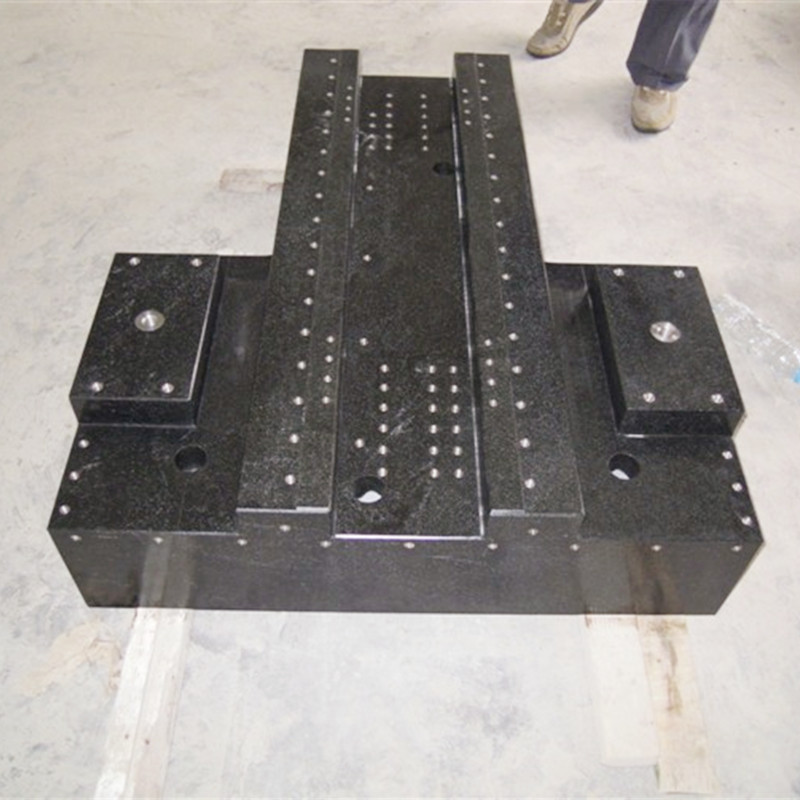
# Introduction The Runout Tester is a critical tool in the realm of precision engineering, designed to measure radial runout errors in shaft parts. This instrument plays a pivotal role in ensuring the quality and reliability of components used in various industries, from automotive to aerospace. By utilizing two thimbles to locate the shaft parts and rotating them, the tester measures the radial runout error directly in the radial direction of the measured parts. The Runout Tester is not just a measurement device; it is a cornerstone of quality control in manufacturing processes. For more information about the Runout Tester, visit the product page . # Product Advantages The Runout Tester is engineered with a simple structure and convenient operation, making it an ideal choice for both novice and experienced users. One of its standout features is the quick loading and unloading of tested parts via the hand handle of the top seat, significantly enhancing measuring efficiency. This design allows for rapid adjustments and reduces the time required for each measurement, thereby improving overall productivity in a manufacturing environment. Moreover, the high measuring efficiency of the Runout Tester ensures that even complex parts can be assessed with minimal effort. Its precise measurement capabilities are complemented by a robust design that guarantees durability and long-term reliability. The instrument is built to withstand the rigors of industrial use, making it a valuable asset in any workshop or production line. # Product Description and Operational Guidelines The Runout Tester is a precise testing instrument that requires proper handling and maintenance to ensure accurate results. Operators must be trained to master the operation skills of the instrument and maintain it carefully. It is recommended to assign a special person to use the equipment to ensure consistency and reliability in measurements. Key operational guidelines include: The deflection tester must always be kept in good condition. The installation should be balanced and reliable, with smooth guide surfaces free of bumps. The coaxiality tolerance of the two centers should be within the range of L = 400mm, with tolerances in the A and B directions less than 0.02mm. Before inspecting a workpiece, the accuracy of the deflector must be checked using an L = 400mm inspection rod and a dial indicator. Only use the instrument after it has been verified as accurate. When detecting a workpiece, handle it with care. No tools or workpieces should be placed on the guide surface to avoid damage or inaccurate measurements. After completing the inspection, the instrument should be maintained immediately. The guide rail and top sleeve should be oiled to prevent rust, and the surrounding environment should be kept clean. A special person should inspect the accuracy of the deflector at the end of each month to ensure the equipment remains in optimal condition and record the actual measurements. # Technical Specifications The Runout Tester offers a range of specifications to meet various industrial needs. Below is a detailed table outlining the technical parameters of the product: Size (mm) Center Height (mm) Diameter (mm) Parallel (μm) Vertical (μm) 300 170 270 ≤8 ≤5 300 300 560 ≤8 ≤5 500 250 460 ≤8 ≤5 500 300 560 ≤8 ≤5 1000 250 460 ≤10 ≤8 1000 300 560 ≤10 ≤8 2000 230 400 ≤30 ≤20 Additional specifications include: Place of Origin: Hebei Warranty: 1 year Customized Support: OEM Brand Name: Storan Model Number: 2001 Product Name: Radial Runout Detector Material: HT250-350 Size: 300-2000mm Package: Plywood Box Certificate: ISO9001 Shipping: By Sea or Air # Applications and Industry Use Cases The Runout Tester is widely used in various industries where precision measurement is critical. Its ability to measure radial runout errors makes it indispensable in the manufacturing of shaft parts, rotating components, and precision machinery. The instrument is particularly valuable in the automotive industry, where it ensures the correct alignment and balance of components such as axles, gears, and drive shafts. In the aerospace sector, the Runout Tester helps in maintaining the high standards of quality and safety required for aviation components. Additionally, the Runout Tester is utilized in machinery manufacturing to ensure the smooth operation of rotating equipment. Its high precision and reliability make it a preferred choice for quality control departments in manufacturing plants. The instrument's versatility allows it to be adapted for custom applications, making it a flexible solution for diverse industrial needs. # Company Background and Commitment to Quality The Runout Tester is produced by Storaen (Cangzhou) International Trading Co., a company based in Hebei, China. With a strong focus on precision engineering and quality control, Storaen has established itself as a trusted provider of industrial measurement tools. The company's commitment to excellence is reflected in its ISO9001 certification, which ensures that all products meet international quality standards. Storaen offers customized support through OEM services, allowing clients to tailor the Runout Tester to their specific requirements. The company's supply ability of 1200 pieces per day demonstrates its capacity to meet the demands of global markets. With a 1-year warranty and professional after-sales service, Storaen ensures that its customers receive reliable and durable products. For more information about Storaen (Cangzhou) International Trading Co., visit the company page . # Conclusion The Runout Tester is a critical tool in the precision measurement landscape, offering high accuracy, ease of use, and durable construction. Its versatile applications and robust specifications make it an essential asset for industries where precision and reliability are paramount. With the support of Storaen (Cangzhou) International Trading Co., the Runout Tester continues to set industry benchmarks for quality and performance. # References For further information on measurement standards and precision engineering, refer to the National Institute of Standards and Technology (NIST) . NIST plays a crucial role in advancing technology and innovation through its research and development in metrology and standards.
about
bathroom wall mirror
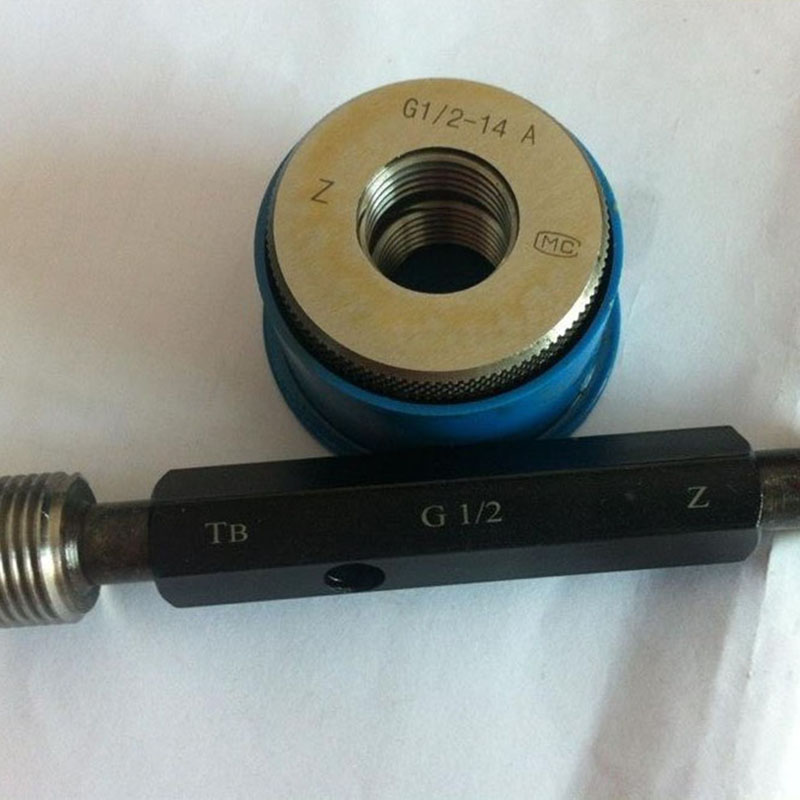
Spline Gage Calibration Ensuring Precision in Measurement Calibration is a critical process in maintaining the accuracy and reliability of measurement instruments, and spline gages are no exception. Spline gages are specialized tools used to measure the dimensions of various spline profiles, which are integral in the manufacturing of mechanical components such as gears, shafts, and couplings. The calibration of these gages ensures that they provide precise measurements essential for maintaining quality control in production processes. Spline Gage Calibration Ensuring Precision in Measurement The calibration of spline gages typically involves several steps. Initially, the gage is inspected for any physical damages or wear that might influence its accuracy. Following a thorough visual check, the gage is then compared against a master gage, which has been previously calibrated to a known standard. This comparison helps identify any discrepancies that may exist in the spline gage’s measurements. spline gage calibration Typically, calibration can be performed using both contact and non-contact methods. Contact methods involve physically placing the gage on the spline to obtain a measurement, while non-contact methods may utilize laser or optical measurements. Regardless of the method used, the goal remains the same to ascertain that the spline gage outputs measurements that are accurate and repeatable. After the calibration process is complete, detailed records of the results are maintained. These records are crucial as they ensure traceability and can be referred to during audits or quality assurance checks. Accurate documentation also aids in identifying trends over time, which can signal when recalibration may be required due to wear or material fatigue. In many industries where spline products are integral, including automotive, aerospace, and heavy machinery, the consequences of using uncalibrated or poorly calibrated gages can be severe. Components that do not meet specifications may lead to product failures, increased manufacturing costs, and compromised safety. In conclusion, spline gage calibration is a fundamental process in quality assurance that plays a significant role in ensuring mechanical components perform as intended. By adhering to strict calibration protocols, manufacturers can enhance product quality, improve operational efficiency, and ultimately ensure customer satisfaction. Through consistent application of best practices in spline gage calibration, industries can better safeguard the integrity and reliability of their products.
-

High quality industrial productsagement

High quality industrial products
View Details -

Meet the diverse needs of customers

Meet the diverse needs of customers
View Details -

Strict quality control

Strict quality control
View Details -

Top raw materials

Top raw materials
View Details -

Trusted supplier

Trusted supplier
View Details
Our application


news and information
v block types
Understanding V-Block Types An Overview In the rapidly evolving landscape of technology and engineer
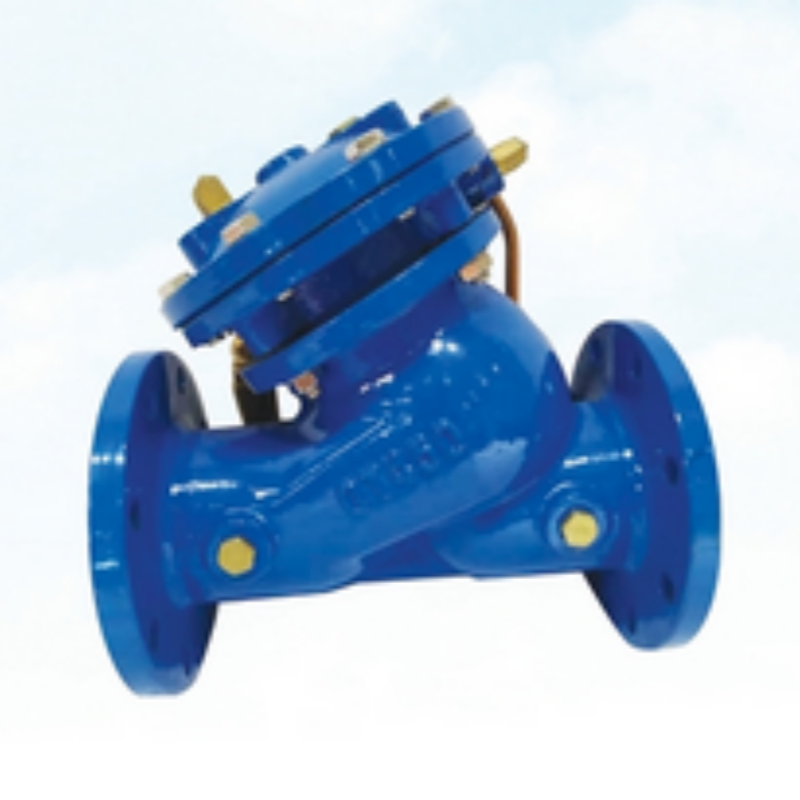
water valve 1 2
Understanding Water Valve 1-2 Functionality and Applications Water valves are essential components i
Valvola a saracinesca 1500
Valvole a Sfera 1500 Caratteristiche e Applicazioni Le valvole a sfera sono uno dei componenti fonda
 English